Created in 1948, IUCN is now the world’s largest and most diverse environmental network, harnessing the knowledge, resources and reach of our more than 1,400 Member organisations and 16,000 experts. This diversity and expertise makes IUCN the global authority on the status of the natural world and the measures needed to safeguard it.
Components
About IUCN
About IUCN
Description 1
IUCN (International Union for Conservation of Nature) is a membership Union of government and civil society organisations. Together, we work to advance sustainable development and create a just world that values and conserves nature.

Heading
1400+
Heading
1400+
Members
Description
IUCN is a membership union that brings government and civil society organisations together with a global network of experts.

Heading
160+
Heading
160+
countries
Description
IUCN is active around the world, from research and analysis to impactful projects and informing policy.
Heading
75+
Heading
75+
years
Description
IUCN has produced authoritative reports, standards, guidelines and tools for over seven decades.
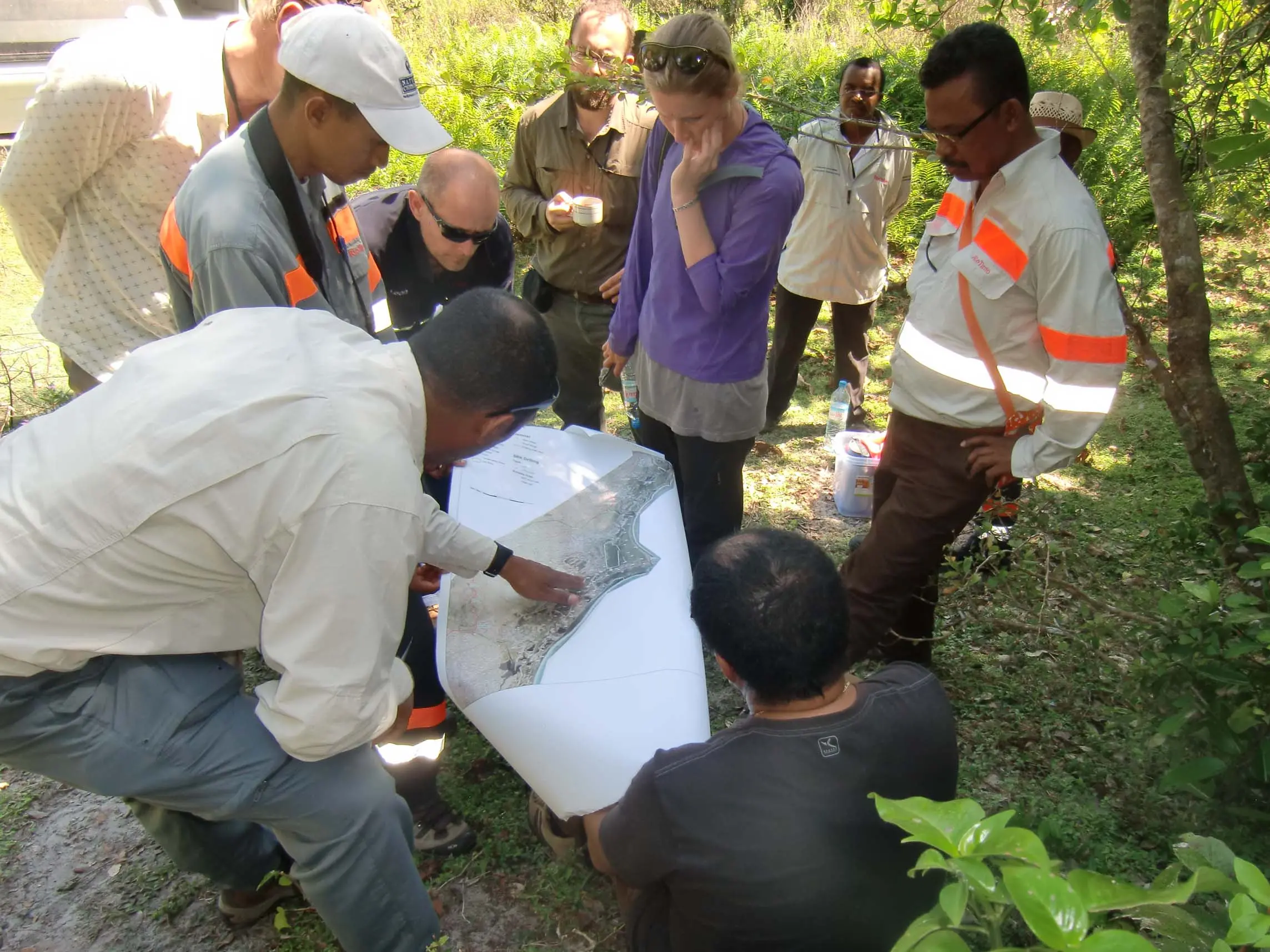
Our broad membership also means we can incubate ideas and are a trusted repository of best practices, tools and international standards. We provide a neutral space in which governments, NGOs, scientists, businesses, local communities, indigenous peoples’ organisations and others can work together to solve environmental challenges and achieve sustainable development.
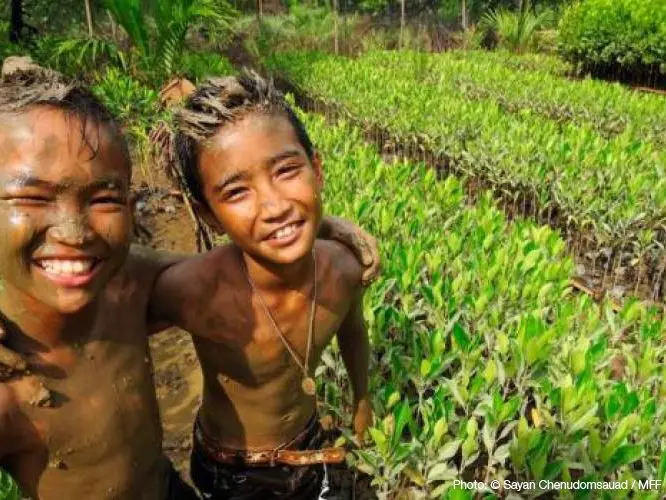
Working with many partners and supporters, IUCN implements a large and diverse portfolio of conservation projects worldwide. These projects combine the latest science with traditional knowledge of local communities to work to reverse habitat loss, restore ecosystems and improve people’s well-being.

How we operate
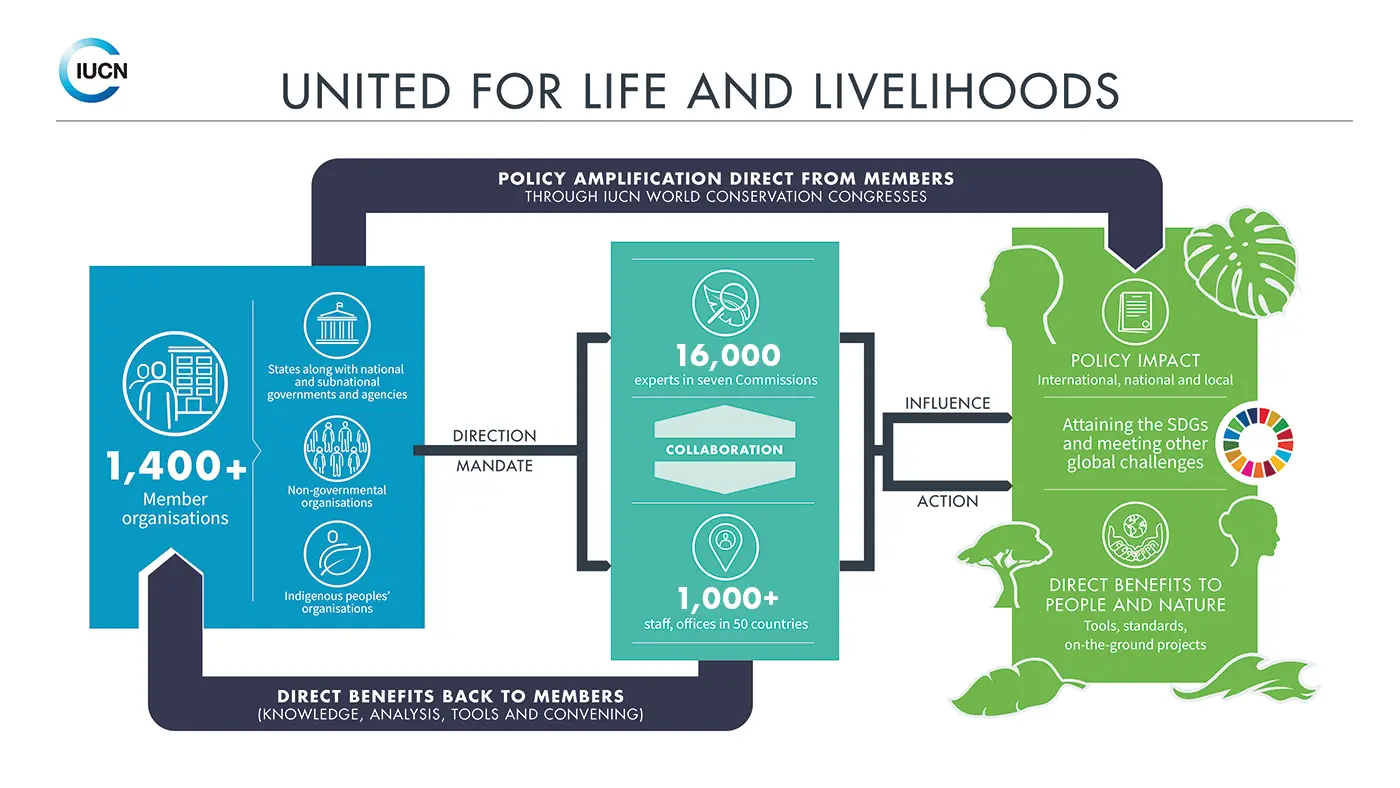
IUCN's Members, expert Commissions and Secretariat work together in a combined effort to conserve nature and accelerate the transition to sustainable development.
Members
IUCN Member organisations set the direction of the Union's work, and global conservation efforts more broadly, every four years at the IUCN World Conservation Congress.

Commissions
IUCN Commissions include thousands of experts from around the world who inform IUCN’s knowledge and help produce its work.
Secretariat and Director General
In addition to contributing knowledge, convening and capacity-building work, the Secretariat manages projects worldwide and coordinates support services to Members and Commissions.
Our Vision
A just world that values
and
conserves nature
Our Mission
Influence, encourage and assist societies to conserve the integrity and diversity of nature and ensure that any use of natural resources is equitable and ecologically sustainable.

Stay Informed
Sign up for an IUCN Newsletter